


How Northern Virginia’s June Heatwave Crashes Your Tears

Northern Virginia summers can be tough on your eyes. When June heatwaves bring high temperatures, dry indoor air conditioning, pollen, and long screen-heavy workdays, your tear film can become unstable fast. If your eyes feel gritty, watery, red, tired, or blurry by afternoon, the heat may be worsening dry eye symptoms.
At Annandale EyeCare in Annandale, we help patients understand what is disrupting their tear film and how to manage dry eye before symptoms interfere with work, driving, reading, or contact lens wear.
Why Heatwaves Affect Your Tear Film
Your tear film is a thin protective layer that keeps the eyes smooth, moist, and comfortable. It also helps light focus clearly. When heat, wind, or dry air causes tears to evaporate too quickly, the surface of the eye can become irritated.
During a Northern Virginia heatwave, patients often move between hot outdoor air and cold indoor air conditioning. That constant shift can dry the eyes and make symptoms feel worse throughout the day.
The Air Conditioning Problem
Air conditioning is helpful during June heat, but it can lower indoor humidity. Office vents, car vents, fans, and home cooling systems can all blow dry air toward the eyes. This can speed up evaporation and leave the eyes feeling scratchy or tired.
For Annandale patients who spend long hours at computers, this can be even more noticeable. Screen use reduces blink rate, which means tears are not spread evenly across the eyes. Fewer complete blinks can cause burning, blur, and eye fatigue.
Why Watery Eyes Can Still Mean Dry Eye
Many people assume watery eyes mean they cannot have dry eye. In reality, irritation can trigger reflex tearing. These watery tears may spill over or make your eyes look moist, but they often do not have the right balance of oil, water, and mucus to keep the eye surface stable.
If your eyes water outdoors, burn indoors, or feel gritty even after using drops, dry eye may still be the cause.
Signs Your Dry Eye Needs Attention
Heat-related eye irritation may improve with small changes, but recurring symptoms should be evaluated. Schedule an eye exam if you notice:
- Burning, stinging, or gritty eyes
- Watery eyes that do not feel relieved
- Redness that keeps coming back
- Blurry vision that improves after blinking
- Contact lens discomfort
- Light sensitivity outdoors
- Eye fatigue during screen use
- Frequent need for artificial tears
These symptoms may be related to dry eye, allergies, computer vision syndrome, contact lens irritation, or another eye health concern.
Why Drops May Not Be Enough
Artificial tears can help temporarily, but they do not always address the cause of dry eye. Many patients have evaporative dry eye, which happens when the oily layer of the tear film is weak. This oil layer helps keep tears from evaporating too quickly.
If the eyelid glands are blocked or inflamed, symptoms may return soon after using drops. A dry eye evaluation can help determine whether your tear film, eyelids, eye surface, or screen habits are contributing to the problem.
Managing Dry Eye During Northern Virginia Summers
Small changes can reduce irritation during hot weather. Avoid direct airflow from vents, wear sunglasses outdoors, stay hydrated, take screen breaks, and blink intentionally during computer work. If you use artificial tears, ask your eye doctor which type is best for your symptoms.
Contact lens wearers should be especially careful. Heat, pollen, and air conditioning can make lenses feel dry or dirty by afternoon. Your optometrist may recommend a different lens material, wearing schedule, or dry eye treatment plan.
Get Ahead Of Summer Eye Discomfort
Dry eye can make June heatwaves feel even more uncomfortable, especially when symptoms follow you from the car to the office to home. A comprehensive eye exam can help identify the cause and guide a more personalized plan for relief.
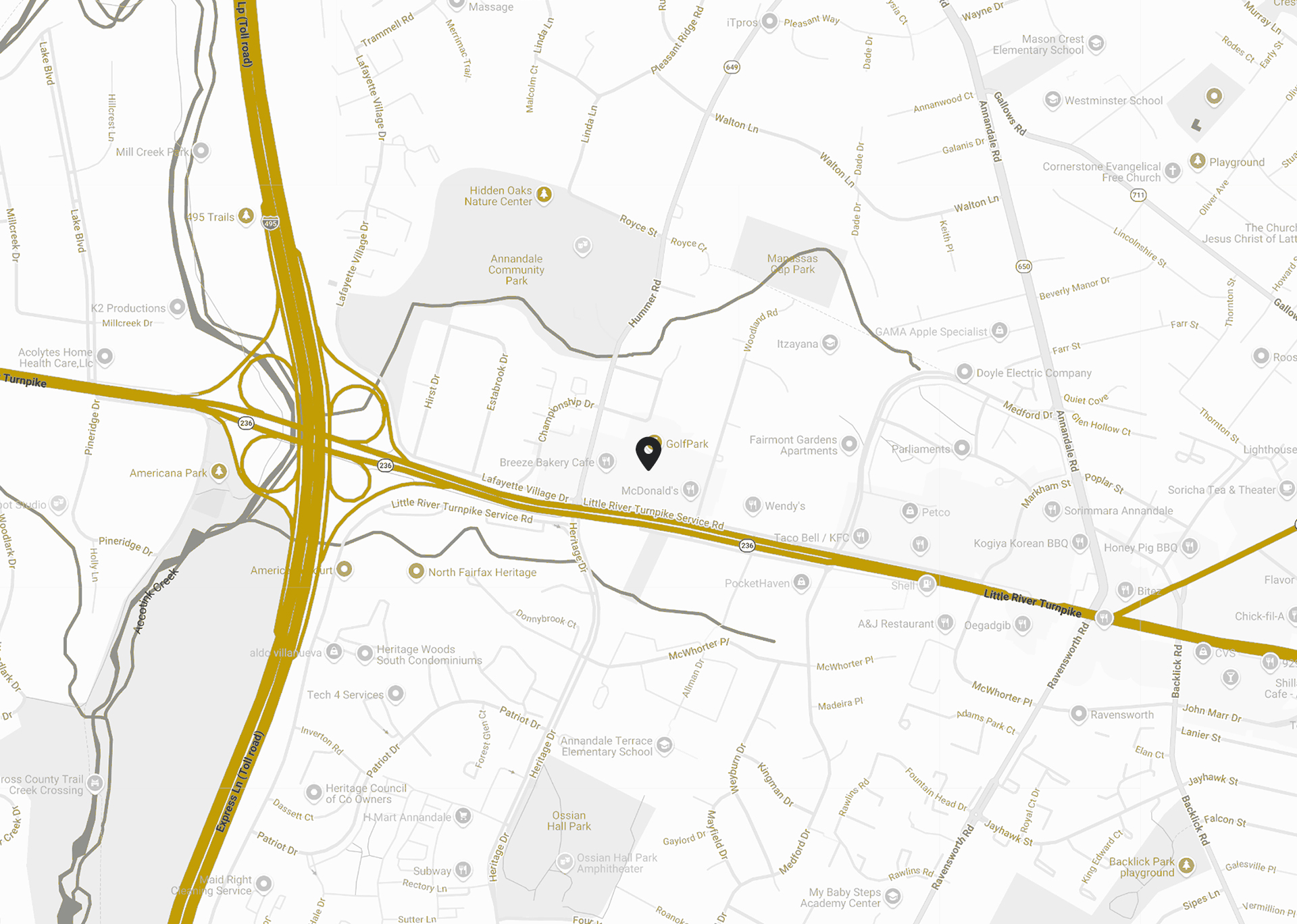
To schedule a dry eye evaluation or eye exam, contact Annandale EyeCare in Annandale, VA at 7630 Little River Turnpike, Suite 100, Annandale, VA 22003, or call (703) 941-4111.



Contact Info
Office Hours
Monday 8:00am - 5:00pm
Tuesday 8:00am - 5:00pm
Wednesday 8:00am - 5:00pm
Thursday 8:00am - 5:00pm
Friday 8:00am - 2:00pm
Powered by: 


