


Is Your Child's Vision Worsening Every Year? How Our Annandale Myopia Management Program Stops the Cycle
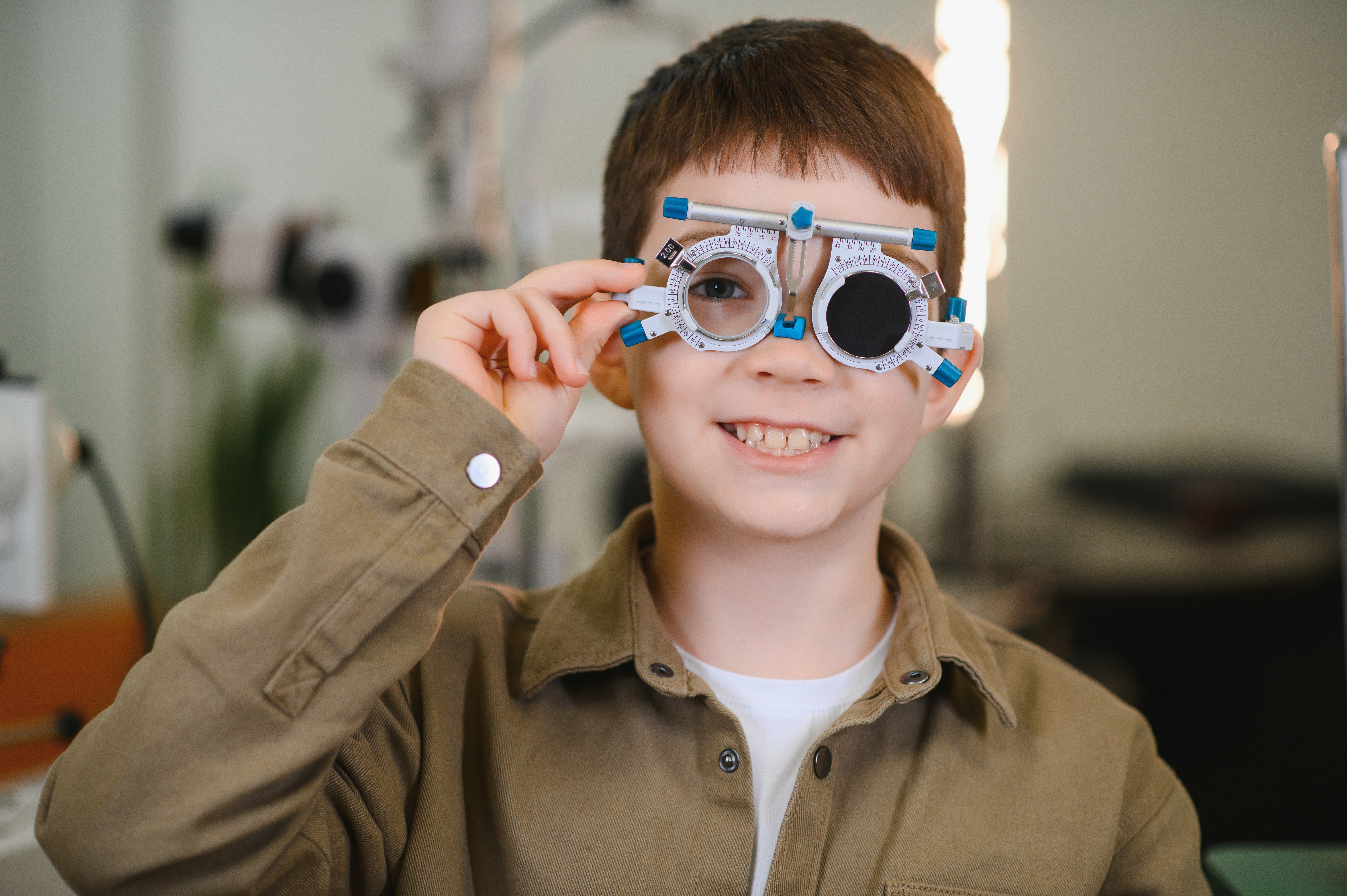
If your child needs stronger glasses every year, their nearsightedness may be progressing rather than simply requiring another prescription update. Myopia commonly develops during childhood and can continue worsening as the eyes grow. Traditional glasses make distant objects clearer, but they do not actively slow that progression.
At Annandale EyeCare, our myopia management program in Annandale is designed to do more than correct blurry distance vision. We evaluate how your child's myopia is changing and recommend treatment options designed to slow its progression, helping reduce how nearsighted they may ultimately become.
Why Does My Child's Prescription Keep Getting Stronger?
Myopia, or nearsightedness, usually occurs when the eye grows too long from front to back. This causes light to focus in front of the retina instead of directly on it, making distant objects appear blurry.
For many children, myopia progresses throughout the school years while the eyes are still developing. Parents may notice that a child who could see the classroom board clearly last year now needs a stronger prescription.
Progressive myopia is more than an inconvenience. Higher levels of myopia are associated with an increased lifetime risk of retinal detachment, glaucoma, myopic macular degeneration, and other eye health concerns. Slowing progression during childhood can therefore have long-term benefits.
Signs Your Child's Myopia May Be Progressing
Children do not always recognize that their vision has changed. Signs that may indicate it is time for another eye exam include:
- Squinting to see the classroom board or television
- Sitting closer to screens or distant objects
- Complaining that distance vision is blurry
- Needing stronger glasses at repeated annual visits
- Difficulty recognizing people or signs from a distance
- Holding objects unusually close
- Increasing dependence on glasses for everyday activities
Regular pediatric eye exams in Annandale allow us to compare prescriptions and determine whether myopia is progressing quickly enough to consider active management.
How Myopia Management Is Different From Regular Glasses
Standard single-vision glasses correct the blur caused by myopia. Myopia management uses specialized treatments that are designed to influence how quickly nearsightedness progresses.
At Annandale EyeCare, available options include Essilor Stellest spectacle lenses, Ortho-K, atropine eye drops, soft multifocal contact lenses, and MiSight 1 day contact lenses.
The best choice depends on your child's age, prescription, eye health, lifestyle, maturity, and rate of progression. There is no single solution that is right for every child.
Ortho-K Provides Clear Daytime Vision
Orthokeratology, commonly called Ortho-K, uses specially designed rigid contact lenses worn while sleeping. The lenses temporarily reshape the front surface of the eye so a child can often see clearly during the day without glasses or contacts.
Ortho-K can also help slow myopia progression in appropriate children, making it especially appealing for active kids who participate in sports or prefer freedom from daytime eyewear.
Stellest, MiSight, and Other Options
Essilor Stellest lenses look and function much like everyday eyeglasses while using specialized lens technology designed for childhood myopia management. They can be a good option for children who prefer glasses.
MiSight 1 day lenses are daily disposable soft contact lenses specifically designed to slow myopia progression in eligible children. Soft multifocal contact lenses may also be considered depending on the child's needs.
Low-dose atropine eye drops are another option used to slow myopia progression. They may be recommended on their own or as part of a broader management strategy depending on the individual patient.
Monitoring Progress Is Part of the Program
Myopia management is not a one-time prescription. Follow-up visits allow us to monitor how your child's vision is changing and determine whether the treatment plan remains effective.
The goal is not to promise that myopia will stop completely. Instead, active management aims to slow the cycle of worsening nearsightedness and reduce the amount of progression your child experiences while their eyes are growing.
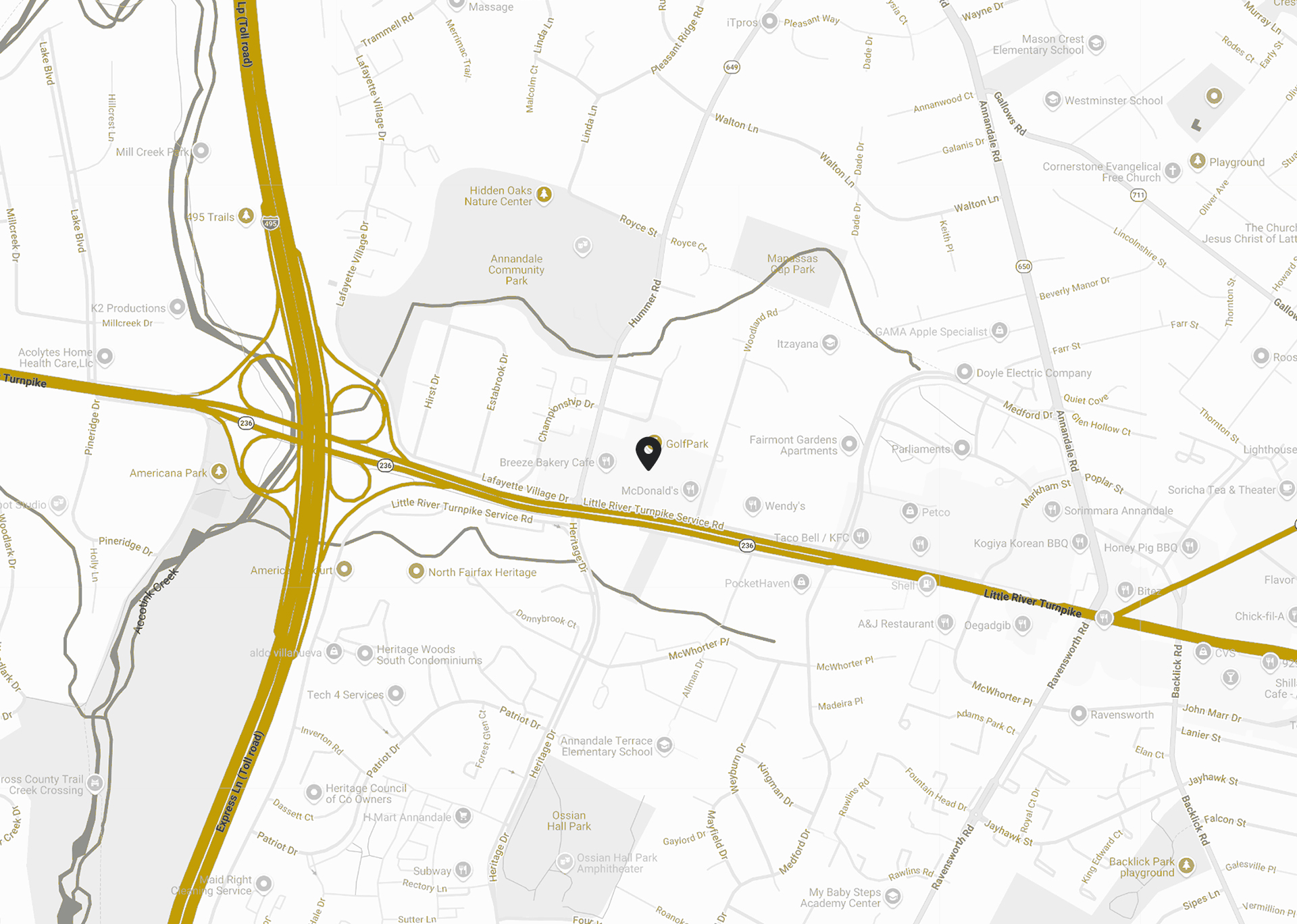
If your child's prescription seems to get stronger every year, schedule a myopia management evaluation with Annandale EyeCare at 7630 Little River Turnpike, Suite 300, Annandale, VA 22003, or call (703) 941-4111 to explore a personalized plan for protecting clearer vision now and supporting healthier sight for the future.



Contact Info
Office Hours
Monday 8:00am - 5:00pm
Tuesday 8:00am - 5:00pm
Wednesday 8:00am - 5:00pm
Thursday 8:00am - 5:00pm
Friday 8:00am - 2:00pm
Powered by: 


